
The Secret to Healthy Skin: Why Your Skin Barrier Matters (and How to Repair It from Home)
The Secret to Healthy Skin: Why Your Skin Barrier Matters (and How to Repair It from Home)
If your skin has been feeling unusually sensitive, tight, or prone to sudden breakouts, you aren’t alone. When client skin acts up, the culprit often isn't lack of moisture or incorrect skincare products—it is a damaged skin barrier.
Whether you are dealing with seasonal weather changes, over-exfoliation, or active ingredient overload, maintaining a resilient skin barrier is the foundation of long-term skin health.
In this guide, we’ll cover what your skin barrier actually does, how to identify when it’s compromised, immediate at-home steps you can take to calm irritation, and how to rebuild it without stepping foot in a clinic.
What Is the Skin Barrier and Why Is It So Important?
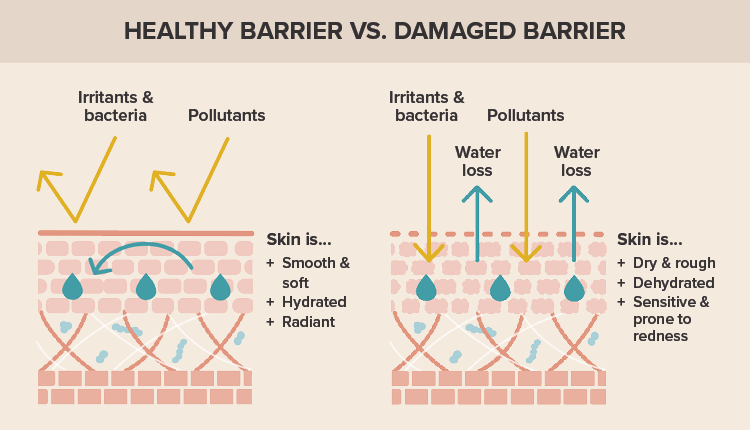
Your skin barrier—specifically the stratum corneum—is the outermost layer of your skin. Think of it as a protective brick wall:
The "Bricks": Your skin cells (corneocytes).
The "Mortar": A lipid matrix made up of natural ceramides, cholesterol, and fatty acids.
When this barrier is strong and intact, it performs two critical functions:
Locks Moisture In: It prevents Transepidermal Water Loss (TEWL), keeping your skin plump, smooth, and hydrated.
Keeps Irritants Out: It shields your deeper skin layers from environmental pollution, harsh weather, harmful bacteria, and allergens.
Without a strong skin barrier, clinical-grade active ingredients like vitamin C, retinoids, or exfoliating acids cannot do their job properly—they will simply cause further irritation.
5 Clear Signs Your Skin Barrier Is Damaged
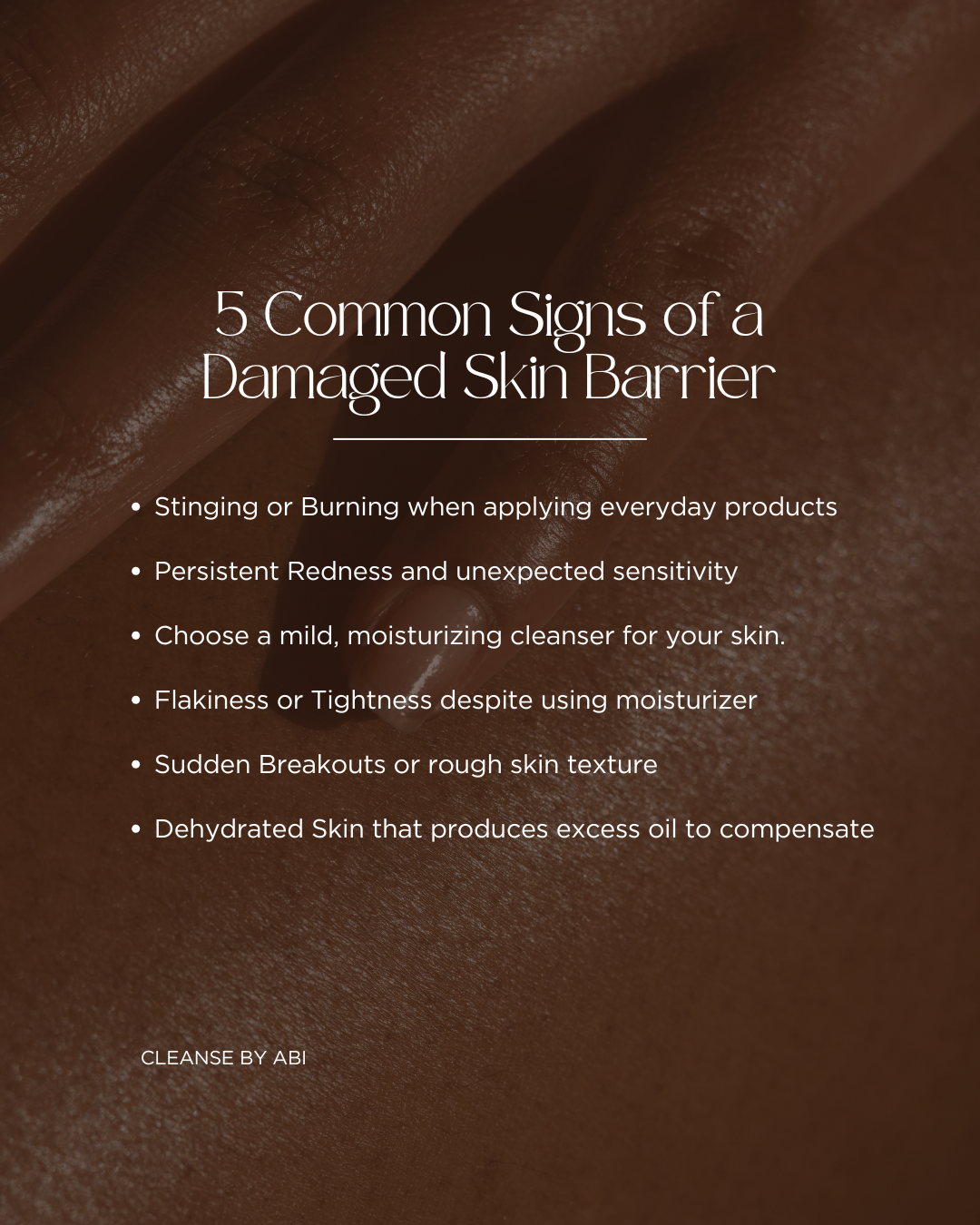
How do you know if your protective shield is compromised? Look for these common red flags:
Stinging or Burning: Everyday products, gentle cleansers, or even plain water cause a stinging sensation.
Persistent Redness & Sensitivity: Your skin looks flushed, reactive, or inflamed throughout the day.
Flakiness & Dehydration: Your skin feels tight and dry, regardless of how much moisturizer you apply.
Sudden Breakouts & Rough Texture: A broken barrier allows bacteria to enter pores more easily, leading to unexpected congestion.
Excess Oil Production: Your skin overproduces oil to compensate for severe internal dehydration.
At-Home First Aid: What to Do Immediately
If you suspect your skin barrier is compromised, your immediate goal is to stop further lipid loss. Here is what you can do right away:
Pause All Active Ingredients: Temporarily stop using AHAs/BHAs, physical scrubs, vitamin C serums, and retinoids.
Simplify Your Routine: Strip down to three basic essentials—a gentle, non-stripping cleanser, a barrier-repair moisturizer rich in ceramides, and a daily broad-spectrum SPF.
Turn Down the Water Temperature: Hot water strips away natural surface lipids. Always cleanse with lukewarm water.
Avoid Over-Washing: Limit cleansing to twice a day (or rinse with lukewarm water only in the morning if your skin is extremely dry).
How to Fully Rebuild Your Barrier from Home
Stopping damage with basic first aid is step one, but fully restoring a healthy lipid matrix requires a targeted, structured strategy tailored to your unique skin type.
You don't need a weekly clinic commute to achieve clinical-grade results. Through our Virtual Skin Barrier Reset & 90-Day Coaching Program at Cleanse by Abi, we bring professional skin coaching directly to you—no matter where you live or how busy your schedule is.
What’s Included in Virtual Coaching:
In-Depth Routine Audit: We review your current skincare lineup to pinpoint exact product triggers and active conflicts.
Customized Regimen: We design a tailored clinical-grade routine specifically formulated to rebuild your lipid barrier.
Direct-to-Door Delivery: Your custom products are shipped straight to your doorstep.
Ongoing Support & Adjustments: Bi-weekly check-ins ensure your skin progresses smoothly through its 90-day cellular turnover cycle.
Ready to Restore Your Skin Barrier?
Don't guess with random off-the-shelf products when your skin is reactive. Let's rebuild your barrier together, step by step.
